Monitor crucial system parameters in real-time with a customizable, resource-light interface
Monitor crucial system parameters in real-time with a customizable, resource-light interface
Pros
- No installation required; portable and USB-friendly
- Extensive real-time system monitoring
- Highly customizable interface and reporting options
- Low impact on system resources
- Tracks over 200 system parameters
Cons
- Interface may be overwhelming for beginners
- Primarily designed for advanced users
- Lacks built-in help or guidance for new users
Real-time system monitor for Windows with customizable indicators
Overview of Glint
Glint is a lightweight, portable tool designed to monitor system activity on Windows. It provides detailed, real-time information about a wide range of system parameters, empowering users to track key performance metrics without the need for installation. Glint caters to users who prioritize control and visibility over their computer's operational status.
User Interface and Customization
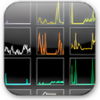
Glint presents a compact monitoring panel that can be positioned anywhere on the desktop. The interface supports several layout modes, including minibar, standard, and large views, each optimized for different screen spaces and preferences. Users can choose to display system information through color-coded bars, scrolling graphs, or blinking lights, tailoring the appearance to suit their workflow. Navigation is straightforward, relying on a right-click context menu that reveals all configuration options without overwhelming the user.
Monitoring Capabilities
One of Glint's core strengths is its broad range of observable metrics. It tracks more than 200 system statistics such as CPU load, physical and virtual memory usage, disk activity (read and write operations), and real-time network speeds for uploads and downloads. In addition, Glint provides visibility into running processes and their individual consumption, making it suitable for troubleshooting resource hogs or monitoring system health during heavy workloads.
Configurability and Performance
Glint offers an advanced settings menu, enabling power users to fine-tune which metrics are reported and how information is visualized. The configuration options include selecting which drives or network interfaces to monitor and adjusting the refresh interval for real-time updates. The application is resource-friendly, consuming very little memory or CPU, and is fully portable. It can be launched directly from a USB drive, making it a practical solution for IT professionals and system administrators on the go.
Suitability and Use Cases
Glint is a practical choice for advanced users seeking in-depth insight into system performance. Its portable nature and minimal resource footprint make it convenient for use on multiple machines, particularly during troubleshooting or routine monitoring. However, new users may require time to familiarize themselves with its settings due to the abundance of configurable options. Those looking for surface-level system monitoring may find Glint's feature set more comprehensive than necessary.
Pros
- No installation required; portable and USB-friendly
- Extensive real-time system monitoring
- Highly customizable interface and reporting options
- Low impact on system resources
- Tracks over 200 system parameters
Cons
- Interface may be overwhelming for beginners
- Primarily designed for advanced users
- Lacks built-in help or guidance for new users